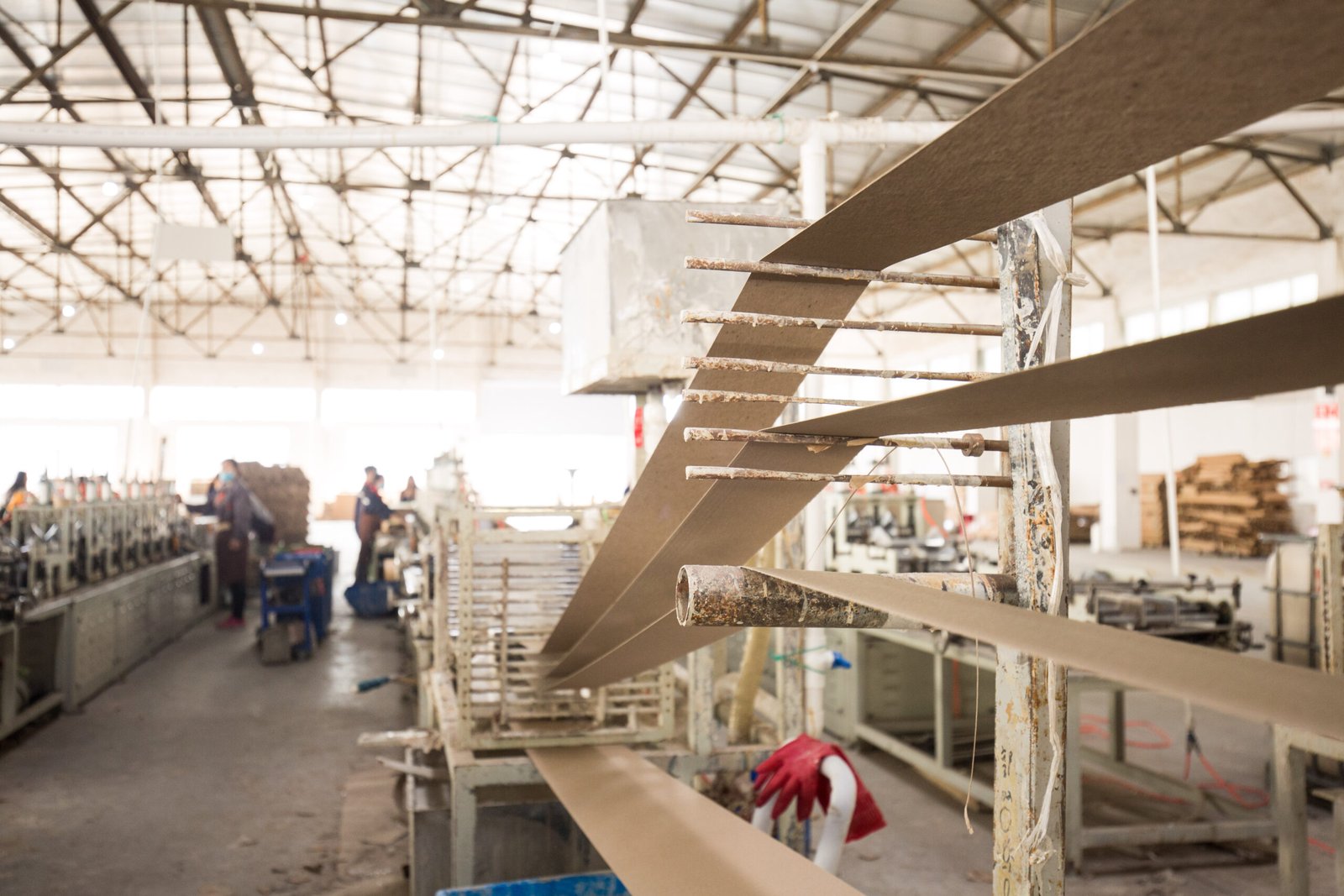
Paper edge protectors are not one-size-fits-all. Their leg width, board thickness, and cut length work together with the load, strapping, and handling conditions. The most reliable way to select a size is to start with your packaging application, narrow down a specification, and then test it on the real load.
Understand the three dimensions in a specification
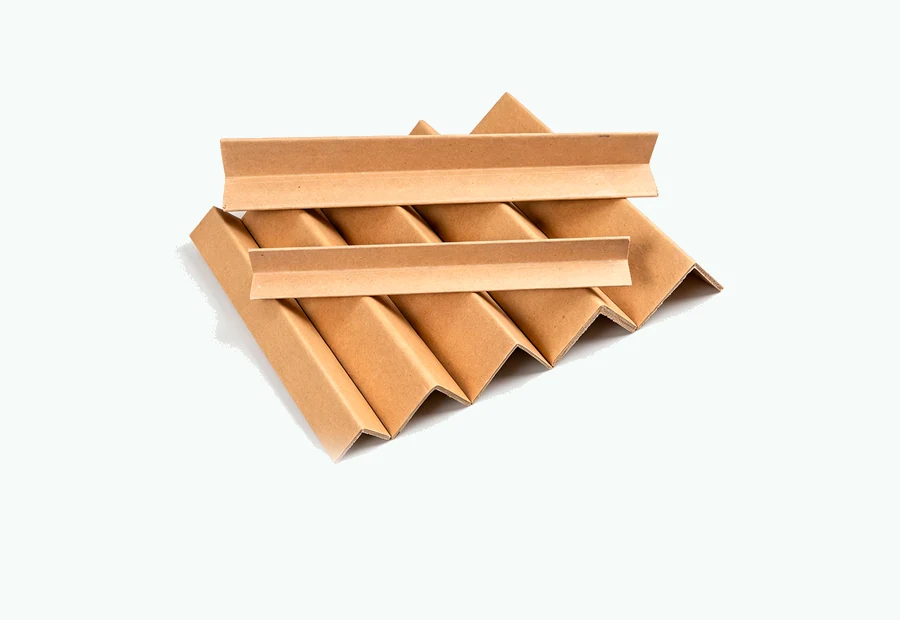
Leg width is the distance each side of an L-shaped protector covers from the corner. Wider legs can spread contact over more of the carton or product surface, but they also need enough clear space and a suitable corner shape. An asymmetrical profile may be worth discussing when the two faces need different coverage.
Board thickness affects how the protector behaves under pressure and handling. Thickness is not, by itself, a strength rating: paper grade, bonding, construction, moisture exposure, and the test method also matter. Avoid choosing a thickness solely from a competitor’s catalogue without checking the conditions behind its performance claim.
Cut length determines how much of an edge is covered. A full-height piece can support a vertical pallet corner, while shorter pieces may be better for a local contact point or a specific strap position. Leave room for pack-out details such as top caps, pallet overhang, and equipment clearance.
Match the protector to the load and packing process
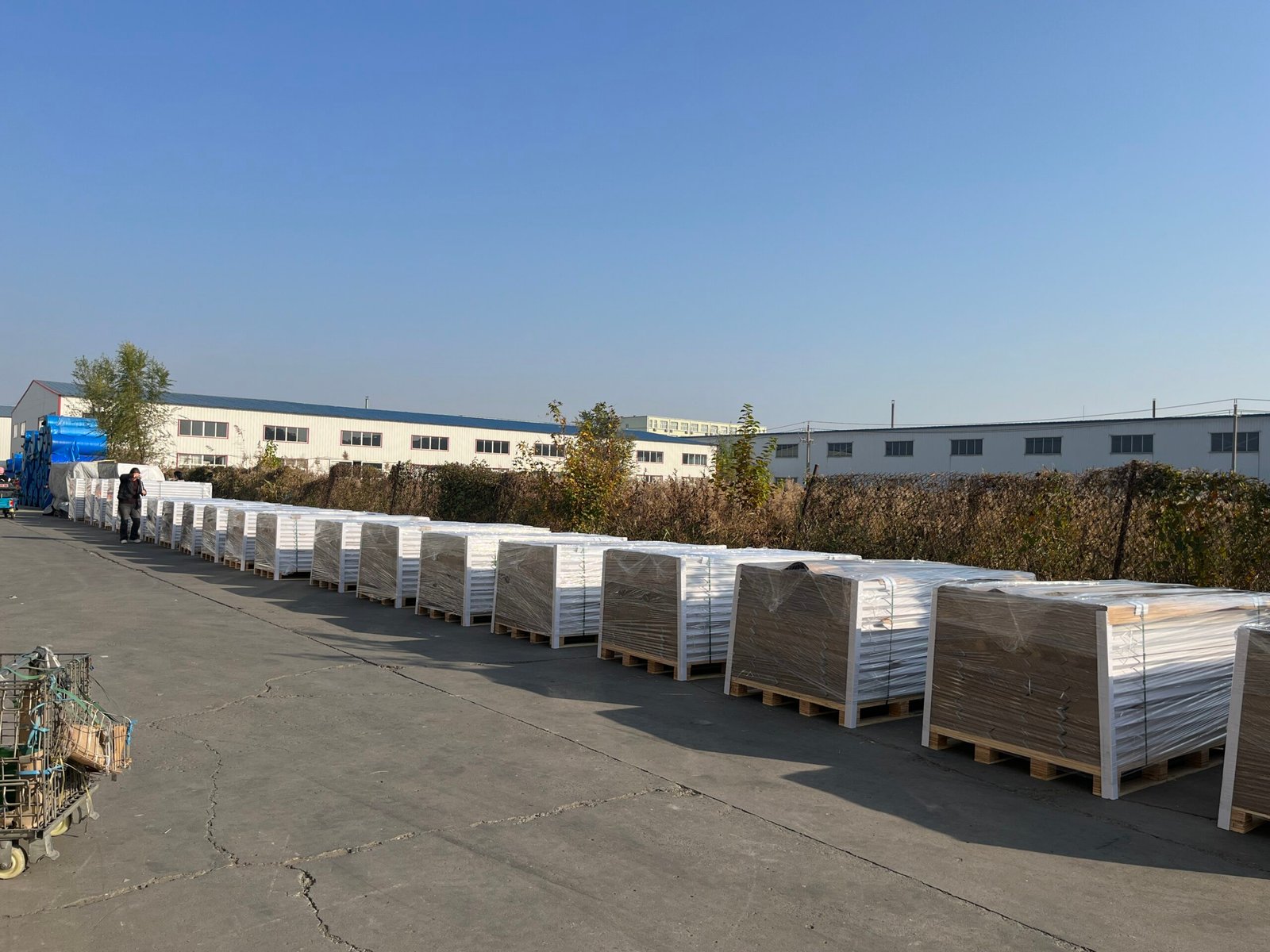
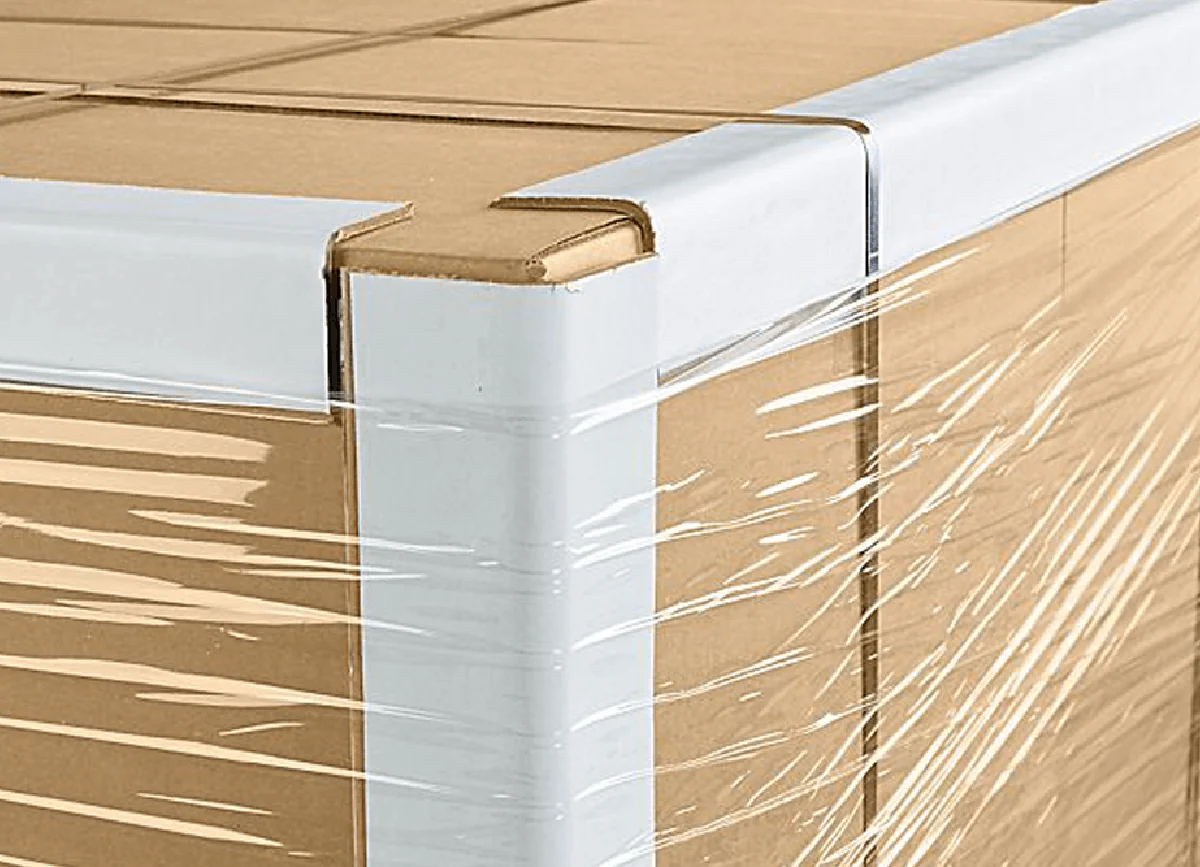
Start by measuring the finished package, not just the unpacked product. Check the carton corner radius, pallet footprint, stack height, and where straps or film touch the edge. Identify whether the main concern is strap pressure, stacking stability, surface scuffing, or impact during handling. A fragile panel edge and a stack of corrugated cartons can require different profiles even when their outer dimensions are similar.
Also consider the journey. Repeated forklift handling, long storage, humidity, and export transport can change the demands on the protector. Share these details when requesting a specification. The paper edge protector category shows available profile types; an L-shaped protector for pallet corners is one starting point for strapped or wrapped pallet loads.
Use a sample trial to confirm the size
- Measure: record the packed load’s edge height and the width of the two adjoining faces.
- Mark contact points: note each strap position, stretch-film overlap, and likely handling contact.
- Test candidate profiles: fit sample widths, thicknesses, and lengths using your normal packing process.
- Inspect the result: look for slipping, crushed corners, torn paper, strap marks, or interference with equipment.
- Document the approved version: keep a drawing or written specification and a reference sample for future orders.
Do not treat a single successful fit check as a substitute for transport or compression testing when the load is high-value or damage-sensitive. Agree with your supplier on what must pass and how it will be checked.
Common sizing mistakes
Buyers sometimes specify only “thick paper corners,” omit the leg widths, or measure the product rather than the final packed load. Others choose a long protector that blocks a pallet cap, or a short one that leaves the strap bearing directly on the carton edge. Another common issue is changing strap tension after the sample was approved. Each of these can make an otherwise suitable protector underperform.
What to send with your sizing enquiry
Provide package dimensions and photos, load weight, pallet and stack dimensions, strap positions and tension if known, expected shipping conditions, and the issue you want to prevent. If you have a damaged-package photo, include it. These details help a supplier recommend a profile and sample plan without guessing at performance.
Need help narrowing down width, thickness, or length? Send HengNice your application details for a paper edge protector recommendation and sample discussion.